
Most women who google “lipedema” do it after years of thinking: “I just have stubborn cellulite… why is nothing working on me?” That’s exactly where the confusion starts: lipedema is not cellulite. It’s not even “a bit more fat on the legs.” It’s a chronic, female-predominant, hormone-linked condition — and it behaves very differently from cellulite.
So let’s make it crystal clear 👇
-
what cellulite really is
-
what lipedema really is
-
how to tell them apart
-
and what you can actually do in both cases
I’ll write it like I’d explain it to a friend, but with real info — so you can spot it and go to the right doctor if needed.
1. What cellulite actually is
Cellulite is:
-
super common (80–90% of women, even slim ones)
-
cosmetic, not a disease
-
caused by how female connective tissue + fat + hormones are organized
-
visible as “orange peel” / dimples on thighs, bum, hips
It usually:
-
doesn’t hurt
-
doesn’t make your legs feel heavy
-
doesn’t progress perfectly symmetrically
-
and it usually reacts a bit when you improve lifestyle or do professional treatments
What makes cellulite worse: sedentary lifestyle, hormonal changes, weight fluctuations, inflammatory diet, not enough muscle, poor venous return.
What helps: building muscle (so the skin sits on something firm), moving more, eating anti-inflammatory, lymphatic stimulation/massage, and when you want visible results → professional treatments (RF, acoustic waves, subcision, lasers, etc.). Results are improvements, not “brand-new legs”.
So: cellulite = aesthetic issue, often improvable.

2. What lipedema really is
Lipedema is something else.
It’s a chronic disorder of fat. Mostly in women. Often triggered around puberty, pregnancy or menopause. And it has some very specific traits:
-
Symmetrical fat increase on the legs (sometimes arms): both sides, same way.
-
Feet are spared: the leg can look bigger and then suddenly “stop” at the ankle — classic lipedema sign.
-
Pain/tenderness: it can hurt when you press it, or even when you walk.
-
Easy bruising.
-
Heaviness in the legs.
-
Doesn’t go away with diet or exercise: you lose weight from your upper body or face… but your legs basically stay the same.
And no — it’s not because you “didn’t try hard enough”. Many women with lipedema eat well, train, lose weight… and still have those legs. That’s because the fat itself is altered and behaves differently.
That’s why so many women are misdiagnosed for years. It’s mistaken for being “pear shaped”, for water retention, or “just cellulite”. Meanwhile it can slowly progress.
3. Lipedema vs cellulite: the 7-question test
If you’re unsure, ask yourself these:
-
Does it hurt or feel sensitive?
-
Cellulite: usually no
-
Lipedema: often yes, or at least uncomfortable
-
-
Is it perfectly symmetrical right/left?
-
Cellulite: not necessarily
-
Lipedema: very often yes
-
-
Are my feet/hands slim but my legs/arms large?
-
Cellulite: not typical
-
Lipedema: very typical, “cuff” at ankle/wrist
-
-
Do I bruise easily on my legs?
-
Cellulite: not especially
-
Lipedema: often yes
-
-
Does sport/diet barely change my legs, while the rest of me slims down?
-
Cellulite: you usually see at least a small improvement
-
Lipedema: legs stay almost the same
-
-
Is it getting worse over time?
-
Cellulite: can fluctuate
-
Lipedema: can progress if not managed
-
-
Does it affect comfort/mobility (rubbing thighs, heavy legs, can’t stand too long)?
-
Cellulite: no
-
Lipedema: it can
-
✅ If you have 1–2 “yes” → more likely classic cellulite.
✅ If you have 4–6 “yes”, especially pain + symmetry + feet spared → bring up lipedema to your doctor (vascular specialist, phlebologist, sometimes derm or plastic surgeon). Use the word. Many women get diagnosed only because they asked.

4. Why the two get mixed up
-
Lipedema can look like cellulite because the skin can also appear dimpled.
-
Both mainly affect women, so it’s often dismissed as “female fat distribution”.
-
Some professionals still don’t spot it.
-
It often comes with extra weight → people say “just lose weight” (which doesn’t solve it).
-
And most beauty content online talks only about cellulite, never about lipedema — so women assume it’s the same thing.
Result: women spend time and money on anti-cellulite stuff… and nothing moves. Not because the treatment was bad, but because the target was wrong.
5. If it’s (really) just cellulite — what actually works
Let’s be honest: there is no magic cream. But there is a stack that works way better than “do nothing and hate your thighs”.
1. Lifestyle first
-
Move: 2–3x/week, including strength training for lower body + low-impact cardio. Better circulation = better skin texture.
-
Build muscle: muscle pushes from underneath, makes the skin look smoother.
-
Eat anti-inflammatory: less ultra-processed, less alcohol, enough protein, good hydration.
-
Keep weight stable: constant gain/loss makes cellulite more visible.
2. At-home boosters
-
Dry brushing / anticellulite brush / cupping: helps drainage and skin quality.
-
Topicals with caffeine, retinoids, peptides: small boost, but worth using consistently.
3. Pro / médico-esthetic options
When you want a visible difference:
-
radiofrequency (tightens)
-
acoustic/shock waves (improves structure)
-
subcision (cuts fibrous septa)
-
laser / injectables
These target the actual structure of the cellulite. That’s why they give a better before/after. But expectation needs to be realistic: improve, not erase.

6. If you recognize yourself in lipedema — what to do
Here the strategy is different. The goal is to slow progression + reduce symptoms + improve quality of life.
-
Get a proper diagnosis
Go to someone who knows lipedema. Bring pictures, timeline (“started at puberty/pregnancy”), list of symptoms (pain, bruising, feet spared). Say clearly: “I suspect lipedema.” -
Compression & drainage
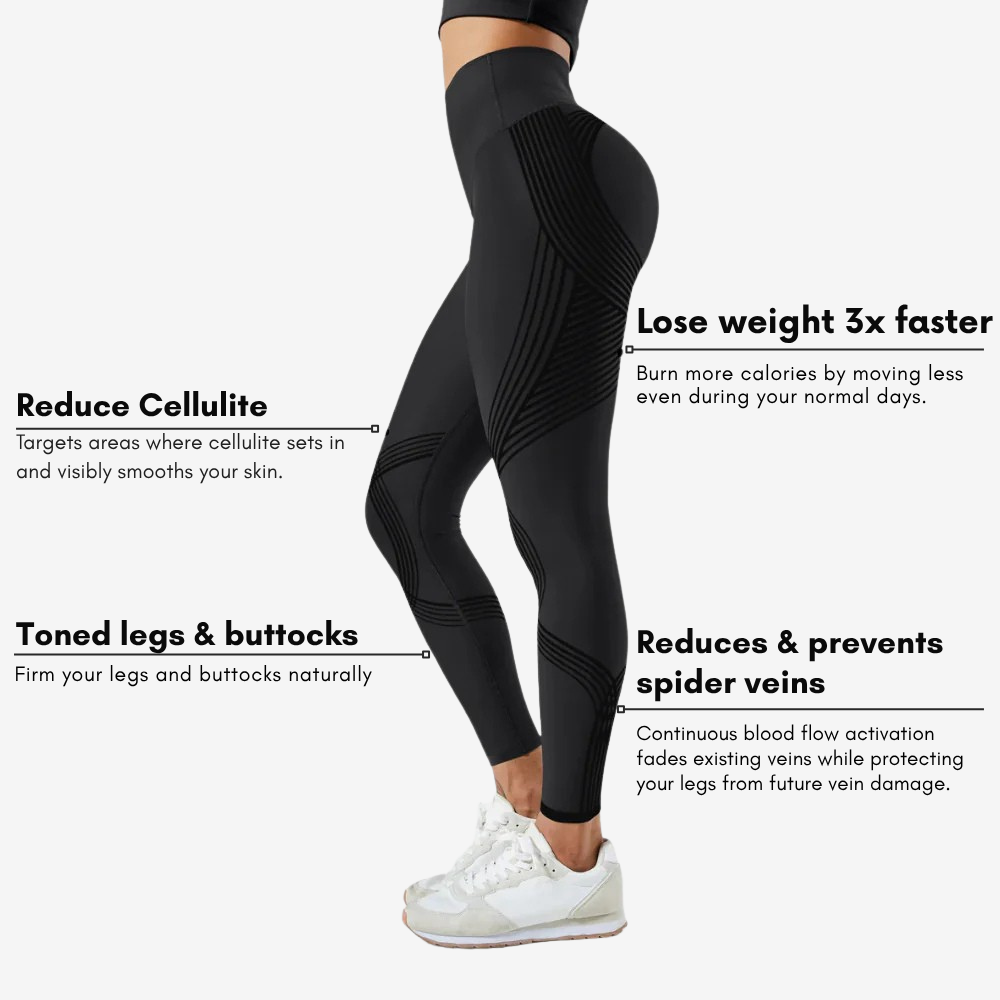
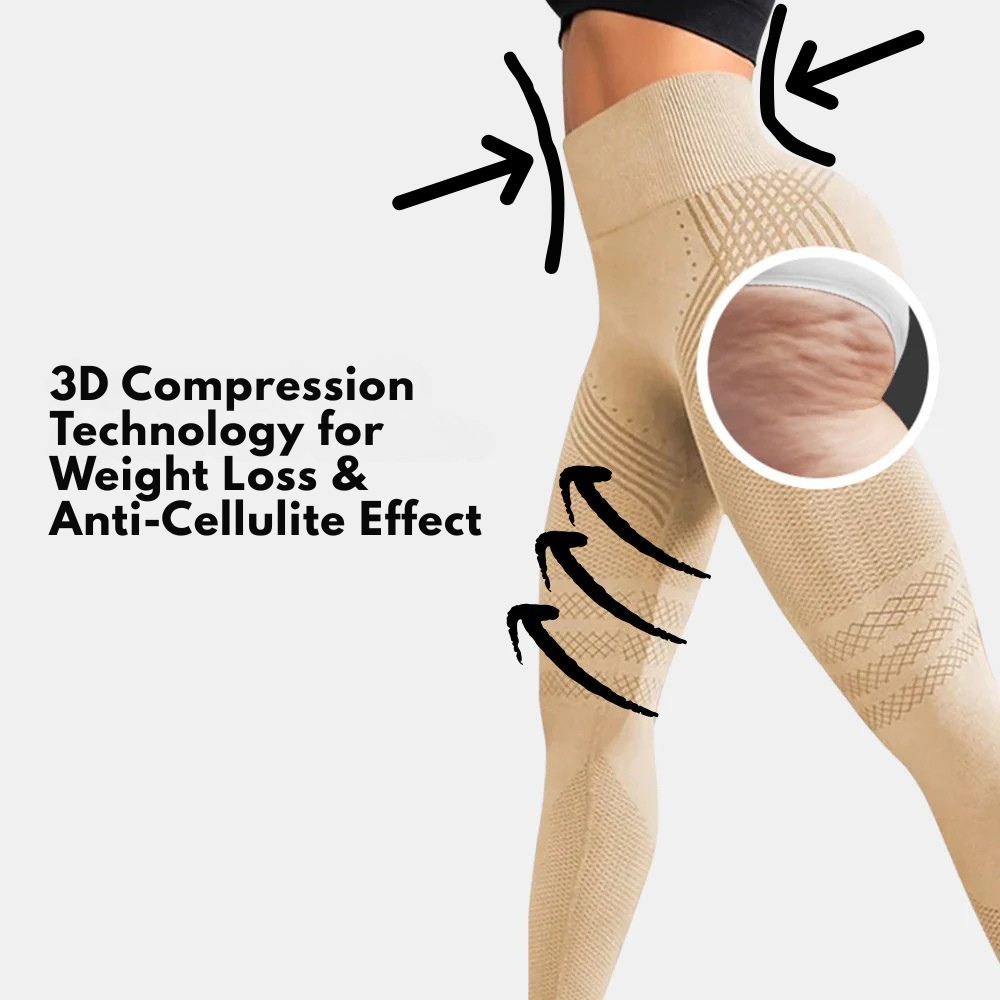
Medical compression tights/leggings, manual lymphatic drainage, low-impact sports (walking, swimming, cycling, aqua). This supports the tissues and helps with heaviness. -
Weight management — but for the rest of the body
Lipedema fat doesn’t vanish with diet, but keeping a healthy weight prevents extra fat and venous/lymphatic issues from adding on top. -
Monitor lymphatic system
Because unmanaged lipedema can, in later stages, be associated with lymphatic overload. -
Specialized liposuction (lymph-sparing)
This is currently the option that brings the biggest improvement in shape and pain — but it must be done by surgeons trained specifically in lipedema, not a random “lipo for big legs”. It aims to remove the pathological fat while protecting vessels. Many women report better mobility, less pain, better clothing fit. -
Mental/body-image support
Lipedema can be emotionally heavy, especially when you’ve been told “just lose weight” your whole life. Knowing “it’s not my fault, it’s a condition” already changes the way you look at yourself.
7. Mini FAQ
Can lipedema go away with diet?
No. You can improve your overall weight and health, but the lipedema fat is stubborn. That’s actually one of the clues.
Can cellulite hurt?
Normally no. If it’s painful, heavy, bruised or very symmetrical → check for lipedema or venous/lymphatic issues.
Why do my legs stay big even when I lose weight?
Because you may be losing your normal fat, not your lipedema fat.
Is lipedema just being pear-shaped?
No. You can be naturally pear-shaped and perfectly healthy. Lipedema = pain/sensitivity + symmetry + feet spared + poor response to diet.
The takeaway
-
Cellulite = common, cosmetic, usually improvable.
-
Lipedema = medical, painful, symmetrical, often ignored, doesn’t respond to “eat less move more”.
-
If what you have hurts, is perfectly symmetrical, stops at the ankle, and never moves with diet → it’s worth getting checked.
-
In both cases, your body is not failing you — you just need the right strategy for the right problem.
Recommended for you: Anti-Cellulite Massage Roller (Upgraded Edition), available at Lindalia with free tracked shipping.