

Benefits of Cinnamon Supplements: The Full Breakdown
System by system: glycaemic, cardiovascular, inflammatory, cognitive, digestive. What cinnamon does in each, with honest assessment of the evidence strength.
Cinnamon is often described as a blood sugar supplement. That is accurate but incomplete. The same mechanisms that stabilise blood glucose have downstream effects across multiple physiological systems. This breakdown covers each system separately, the mechanism through which cinnamon acts on it, and an honest grading of the evidence.
The Glycaemic System: Where the Evidence Is Strongest
This is the primary and best-documented domain. Three distinct mechanisms operate simultaneously.
Alpha-glucosidase inhibition slows the breakdown of dietary carbohydrates into glucose in the small intestine. This is an enzyme-level effect that begins with each dose and reduces the height and speed of post-meal glucose spikes. The clinical evidence for this mechanism is robust, supported by both in vitro enzyme assays and controlled human studies measuring post-meal glucose curves.
Insulin receptor sensitisation improves the efficiency with which cells respond to insulin. Cinnamaldehyde activates insulin receptor tyrosine kinase, the molecular gateway that insulin opens to allow glucose entry into cells. Multiple studies measuring HOMA-IR show significant reductions after therapeutic cinnamon supplementation, indicating genuine improvement in insulin sensitivity rather than just reduced glucose availability.
GLUT4 upregulation is a third mechanism with emerging evidence. GLUT4 transporters are proteins on cell surfaces that facilitate insulin-independent glucose uptake. Research suggests cinnamon increases GLUT4 expression in muscle cells, providing more pathways for glucose clearance. This is less established than the first two mechanisms but consistent with the observed effects.
Evidence grade for glycaemic effects: strong. Multiple randomised controlled trials, meta-analyses, clear dose-response relationship, consistent direction of effect across diverse populations.
Strong: multiple RCTs, consistent meta-analysis findings. Moderate: positive RCTs with some inconsistency. Emerging: cell/animal studies plus limited human data. Weak: theoretical or indirect evidence only.
The Cardiovascular System: Moderate Evidence
Cardiovascular markers that have shown improvement in cinnamon trials include fasting triglycerides, total cholesterol, LDL cholesterol, and in some studies, modest increases in HDL. The effect sizes are generally smaller than the glycaemic findings, and not all studies replicate them consistently.
The mechanistic link is indirect but logical. Elevated triglycerides are partly driven by excess post-meal glucose: when the liver receives more glucose than cells need, it converts the surplus to triglycerides. Blunting post-meal glucose spikes reduces this triglyceride load. Similarly, insulin resistance is strongly associated with reduced HDL and elevated triglycerides (the dyslipidaemia pattern). Improving insulin sensitivity through cinnamon addresses the underlying driver.
Direct lipid-modifying effects through PPAR-gamma activation (a nuclear receptor involved in lipid metabolism) have been proposed and show some evidence in cell studies, but the human data is insufficient to confirm this as a primary mechanism.
Evidence grade for cardiovascular effects: moderate. Positive findings in several trials, plausible mechanisms, but not consistently replicated and effect sizes are smaller.
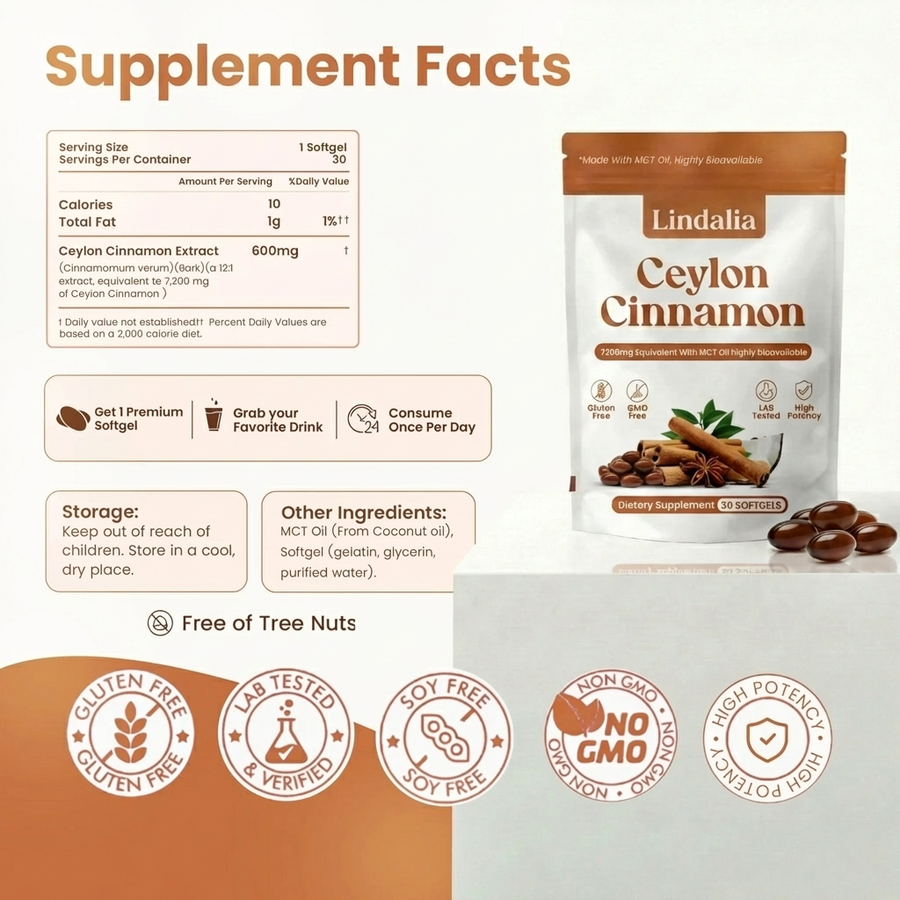
Ceylon Cinnamon 7,200mg with MCT Oil
Glycaemic, cardiovascular, inflammatory, cognitive. A formula that addresses blood sugar stability addresses all of these downstream.
See the ProductThe Inflammatory System: Real but Secondary
Inflammation and blood sugar instability are bidirectionally connected. High post-meal glucose spikes generate reactive oxygen species (oxidative stress) that activate NF-kB and other pro-inflammatory pathways. Advanced glycation end products (AGEs), formed when excess glucose binds to proteins, are pro-inflammatory in their own right. Managing blood glucose is therefore inherently anti-inflammatory.
Direct anti-inflammatory action of cinnamon compounds has been documented in cell culture studies. Cinnamaldehyde inhibits NF-kB activation and reduces the downstream production of cytokines including TNF-alpha, IL-1beta, and IL-6. These are the major pro-inflammatory signalling molecules involved in both metabolic disease and systemic inflammation.
Human studies measuring CRP (C-reactive protein, a clinical inflammation marker) after cinnamon supplementation show mixed results. Some trials find significant reductions, particularly in individuals with elevated baseline CRP. Others show no significant change. The inconsistency likely reflects the variability in baseline inflammatory status across study populations.
Evidence grade for anti-inflammatory effects: moderate for indirect effects via glycaemic improvement, emerging for direct anti-inflammatory mechanisms in humans.
The Cognitive System: Emerging Evidence
The brain is the body's most glucose-dependent organ, running on approximately 20% of total glucose consumption despite comprising only 2% of body weight. Stable glucose supply to the brain supports consistent cognitive function. Glucose instability, post-meal spikes followed by reactive hypoglycaemia, produces the familiar cognitive fog, reduced concentration, and mood fluctuation that accompany blood sugar crashes.
By flattening the glucose curve, cinnamon indirectly supports more consistent brain energy availability. This is not a stimulant effect. It is the removal of the instability that was causing impairment. The brain functions better when its fuel supply is steady, and users report improved focus and mental clarity as among the more quickly noticed changes.
Beyond the glycaemic pathway, some research suggests cinnamaldehyde may have direct neuroprotective properties, potentially relevant to neurodegenerative conditions. This research is preliminary, largely based on animal models, and should not be presented as an established human benefit. The cognitive clarity benefit of cinnamon is real, but it comes through glucose stabilisation, not direct neurological enhancement.
Evidence grade for cognitive effects: strong for indirect effects via glycaemic stability, emerging for direct neuroprotection.
The Digestive System: Bidirectional Effects
Alpha-glucosidase inhibition changes the digestive environment in the small intestine. Undigested carbohydrates that reach the large intestine become substrates for gut bacteria. This fermentation process feeds beneficial bacteria (primarily Bifidobacteria and Lactobacillus species) in a prebiotic-like fashion. A healthier gut microbiome composition has downstream effects on immune function, inflammation, and metabolic health.
The adjustment period during this microbiome shift can produce mild gas or bloating in some individuals during the first week or two of supplementation. This is not a negative effect in the long term. As the microbiome adapts, the discomfort typically resolves and the prebiotic effect continues.
Cinnamon also has documented antimicrobial properties. Cinnamaldehyde inhibits the growth of certain pathogenic bacteria and fungi in the gastrointestinal tract. This has been studied primarily in the context of food preservation and Helicobacter pylori suppression, and the evidence for clinically meaningful gastrointestinal antimicrobial effects in healthy adults is limited but present.
Evidence grade for digestive effects: moderate for prebiotic effects, emerging for antimicrobial effects in clinical populations.
The Weight Management System: Indirect but Real
Cinnamon is not a fat burner. No mechanism in its profile produces direct lipolysis or thermogenesis at the doses used in supplements. The weight management effect is indirect, operating through two pathways.
First, glucose stabilisation reduces craving-driven overeating. When blood sugar is stable, the brain does not send urgent signals for fast carbohydrates. Caloric intake from impulsive carbohydrate-driven snacking declines without conscious restriction.
Second, insulin normalisation allows fat mobilisation between meals. Chronically elevated insulin (a consequence of repeated glucose spikes and insulin resistance) suppresses lipolysis. Fat cells cannot release stored fat for energy when insulin is high. When insulin returns to appropriate post-meal levels with good glucose management, fat mobilisation between meals becomes possible again.
The weight effect is therefore a secondary consequence of metabolic normalisation rather than a direct pharmacological action. It is real but slower to manifest than the energy and craving changes, typically becoming noticeable at six to twelve weeks of consistent use.
"Cinnamon does not do five things. It does one thing well, and that one thing has consequences across five systems."
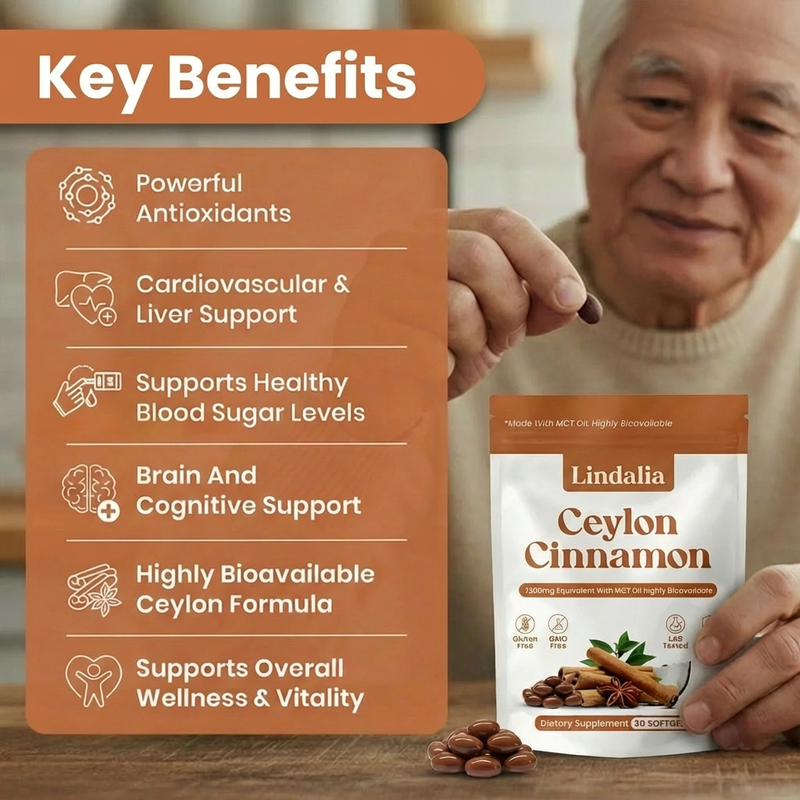
Ceylon Cinnamon 7,200mg with MCT Oil
The one thing done right: therapeutic Ceylon cinnamon with MCT oil, berberine for AMPK, and chromium for insulin receptor support. Full coverage.
See the Product