

Cinnamon Supplement: The Complete Guide to Benefits and Dosage
Most cinnamon supplements miss the clinical dose by a factor of 14. This guide covers the science, the numbers, and what actually changes in your body.
You feel it every afternoon. The meal was fine, maybe even healthy, but two hours later your energy has fallen off a cliff. Your focus goes blurry. You want something sweet. This is not a willpower problem. It is a blood sugar problem, and it is one that a well-formulated cinnamon supplement can genuinely address, once you understand how it works and what dosage actually does the job.
What Happens in Your Body After a High-Carb Meal
When you eat carbohydrates, your digestive enzymes break them down into glucose. That glucose floods your bloodstream. Your pancreas detects the rise and releases insulin to shuttle glucose into cells. In a well-regulated system, the spike is moderate and the return to baseline is smooth. In a system under stress from years of processed food, excess sugar, or sedentary habits, the spike goes higher and the crash comes harder.
That crash is real. Cortisol rises to counter the falling blood sugar. Energy drops. The brain, which runs almost entirely on glucose, sends out craving signals for something fast and sweet. You eat more carbs. The cycle repeats. Over months and years, this pattern erodes insulin sensitivity. Cells start to ignore insulin's signal. The pancreas compensates by producing even more. This is insulin resistance, the early stage of what eventually becomes type 2 diabetes and a cluster of metabolic problems in between.
The good news: this cascade is interruptible. Several well-studied mechanisms can slow glucose absorption, sharpen insulin sensitivity, and flatten the spike. Cinnamon sits at the centre of several of them.
What Cinnamon Actually Does at the Cellular Level
The active compound in cinnamon is cinnamaldehyde, the molecule responsible for both the flavour and the metabolic action. Two distinct mechanisms are well-documented in clinical research.
First, cinnamaldehyde inhibits alpha-glucosidase, the intestinal enzyme that converts complex carbohydrates into absorbable glucose. When this enzyme works more slowly, glucose enters the bloodstream in a more gradual stream rather than a sudden flood. The glycaemic spike flattens, the insulin response is proportional rather than panicked, and the crash is milder.
Second, cinnamaldehyde appears to mimic insulin itself by activating insulin receptor tyrosine kinase, the molecular switch that tells cells to open up and accept glucose. Cells that have become somewhat resistant to insulin's signal respond better when this pathway is supported. The clinical evidence points to improvements in fasting blood glucose, post-meal glucose readings, and HbA1c, the three-month average measure that doctors use to track metabolic health.
Cinnamaldehyde is fat-soluble. Taking it with a fat source, such as MCT oil, significantly improves absorption. A capsule formula combining Ceylon cinnamon with MCT oil delivers measurably more cinnamaldehyde into circulation than a plain dry powder capsule.
Ceylon vs Cassia: The Difference You Cannot Ignore
This is the most important distinction in the cinnamon supplement space, and most products bury it in fine print or omit it entirely. There are dozens of cinnamon varieties, but the market is dominated by two: Ceylon (Cinnamomum verum) and Cassia (Cinnamomum cassia and related species).
Cassia is the cheap, widely available variety that fills supermarket spice racks and populates most supplement capsules. It has a strong, familiar flavour. It also contains significant levels of coumarin, a naturally occurring compound that is hepatotoxic at repeated high doses. The European Food Safety Authority conducted a formal assessment and concluded that daily high-dose Cassia consumption poses a genuine risk to liver health. Their tolerable daily intake for coumarin sits at 0.1 mg per kilogram of body weight. A single teaspoon of Cassia powder contains roughly 5 to 12 mg of coumarin. A high-dose Cassia capsule can exceed that threshold easily.
Ceylon cinnamon contains approximately 1/1000th the coumarin of Cassia. At therapeutic doses, meaning doses high enough to actually affect blood sugar, only Ceylon is safe to take every day long-term. If a supplement label does not specifically say "Ceylon" or list the Latin name Cinnamomum verum, you are getting Cassia.
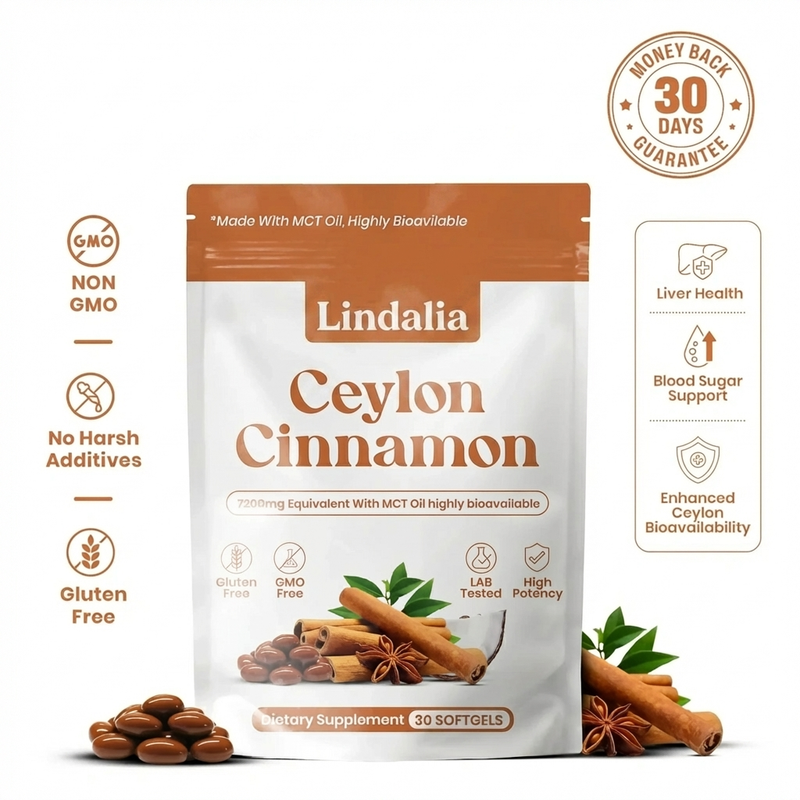
Ceylon Cinnamon 7200mg with MCT Oil
Formulated with true Ceylon cinnamon at therapeutic dose, combined with MCT oil, berberine, and chromium for full metabolic support.
See the ProductThe Dosage Problem: Why Most Supplements Fall Short
The clinical studies that produced meaningful results in blood sugar management used doses ranging from 1,000 mg to 6,000 mg of cinnamon per day. The most commonly sold capsule on the market contains 500 mg. That is less than a standard amount of cinnamon in a piece of cinnamon toast. At that dose, you are not getting a therapeutic effect. You are getting a flavouring quantity.
Why do so many products underdose? Cost. Ceylon cinnamon is more expensive than Cassia, and Cassia at 500 mg per capsule keeps manufacturing costs low. The label can claim cinnamon, a daily serving can be one capsule, and the product price stays competitive. What it cannot do is deliver the blood sugar management outcomes shown in clinical trials.
Effective dosing starts at 1,000 mg per day for general glycaemic support. Studies targeting fasting glucose and HbA1c reduction have used 3,000 to 6,000 mg. A formula at 7,200 mg per day, split across two servings, sits at the upper end of the therapeutic range while remaining well within established safety limits for Ceylon specifically.
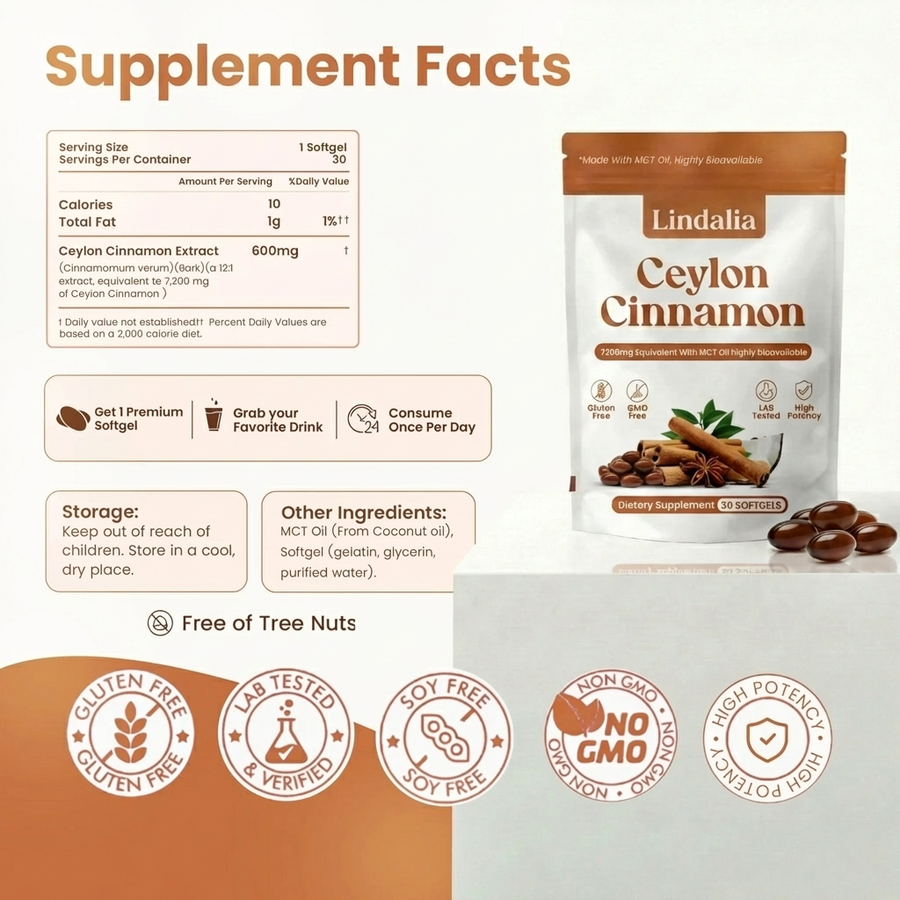
7,200mg Per Day at Clinical Range
Two capsules before your largest carb meal, two before another. Consistent dosing is where results come from.
See the ProductThe Synergy Stack: Why One Ingredient Is Not Enough
Cinnamon addresses two pieces of the glucose puzzle: slowing absorption and sensitising insulin receptors. But a complete metabolic support formula can cover additional pathways simultaneously.
Berberine, an alkaloid derived from several medicinal plants, activates AMPK (adenosine monophosphate-activated protein kinase), an enzyme often called the metabolic master switch. AMPK activation increases glucose uptake in muscles, reduces liver glucose production, and improves insulin sensitivity through a pathway entirely distinct from cinnamaldehyde. Several clinical trials have directly compared berberine with a common pharmaceutical agent used for blood sugar management and found comparable outcomes. At 250 mg per day, it is a meaningful addition that works alongside cinnamon rather than duplicating it.
Chromium picolinate acts as a cofactor for insulin. Chromium deficiency, which is more common than generally recognised in adults eating refined diets, reduces the efficiency of insulin signalling. Supplementing even a modest amount of chromium has been shown to improve glucose tolerance, particularly in those who are deficient. It is not a dramatic standalone intervention, but as part of a stack it fills a gap that many people carry without knowing it.
MCT oil, beyond improving cinnamaldehyde absorption, provides a ketone-producing energy source that does not require insulin for cellular uptake. This creates a background of stable, sustained energy that cushions the metabolic transitions between meals.
Take your dose 15 to 20 minutes before your largest carb-containing meal. The alpha-glucosidase inhibition needs to be active in the gut before glucose arrives. Timing matters more than most people realise.
What a Realistic Timeline Looks Like
Clinical supplements are not immediate interventions. The body changes gradually, and managing expectations is part of using any supplement responsibly.
In the first one to two weeks, the most noticeable shift is the post-meal crash. The 3 pm energy drop becomes less severe. The urgency to eat something sweet after lunch starts to fade. These are direct effects of alpha-glucosidase inhibition and improved glucose entry into cells.
By weeks two to three, carbohydrate cravings diminish noticeably. When blood sugar is more stable, the brain stops sending desperate signals for quick glucose. This makes dietary decisions easier without requiring willpower. It is a structural change, not a motivational one.
By week four, most users report consistent energy across the day without the peaks and troughs. The feedback from daily living becomes its own reinforcement.
At eight to twelve weeks, if you are monitoring blood markers, fasting glucose and HbA1c begin to show measurable shifts. These are the numbers that matter clinically. They also move slowly, which is why short-term testing is misleading and consistency across months is what counts.
"The difference between 500mg and 7,200mg is not just quantity. It is the line between a flavouring dose and a clinical dose."
Who Benefits Most From a Cinnamon Supplement
The clearest candidates are people experiencing the symptoms of blood sugar instability: afternoon energy crashes, post-meal fatigue, persistent cravings for sugar and refined carbohydrates, difficulty maintaining stable energy through the morning. These are not obscure complaints. They are the daily experience of a large portion of the adult population.
People with pre-diabetic markers, elevated fasting glucose, or borderline HbA1c readings have the most to gain, and also the most reason to work alongside a physician. The evidence for cinnamon in this range of metabolic dysfunction is solid. Those already on blood sugar medications should consult their doctor before adding a high-dose supplement, as the combined effect can push glucose too low.
Women going through perimenopause and menopause experience a documented reduction in insulin sensitivity driven by declining oestrogen. Blood sugar instability becomes a new complaint for many in this stage of life who never experienced it before. A well-formulated cinnamon supplement can address this specific mechanism without the systemic effects of pharmaceutical interventions.
Those managing weight through dietary changes also benefit. When blood sugar is more stable, the hormonal environment is less hostile to fat loss. Cravings drop. Adherence to a sensible eating pattern improves. The supplement is not doing the fat loss directly. It is removing one of the primary obstacles to it.
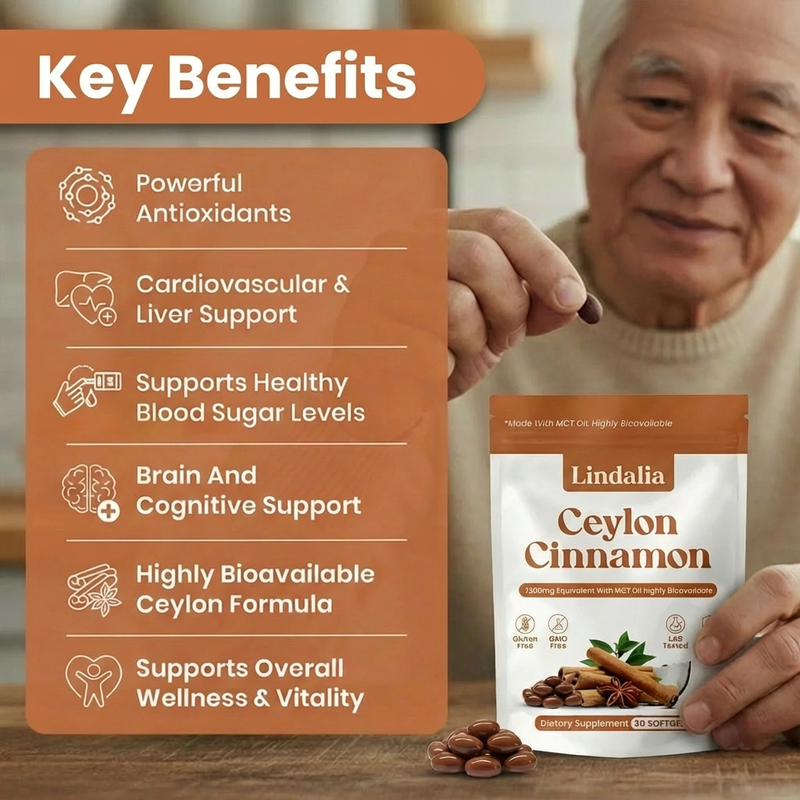
The Complete Metabolic Support Formula
Ceylon cinnamon at 7,200mg, berberine, MCT oil, and chromium. Everything covered in this guide, in one daily formula.
See the Product