

Oil of Oregano Capsules: Why Softgels Are the Easiest Way to Take It
Liquid oregano oil has real benefits, but most people stop taking it within two weeks. Here is why the softgel format solves every problem the drops create.
If you have tried oil of oregano in liquid drop form, you already know the experience: a burning sensation that starts in your throat and settles as a heat in your stomach, a flavor so intense it lingers for hours, and a general sense that you are subjecting yourself to something unpleasant. Most people stop within one to two weeks. Not because the compound does not work, but because the format makes consistent use nearly impossible. Softgels solve this entirely.
The Real Problem With Liquid Oregano Oil Drops
Liquid oil of oregano is an extremely concentrated essential oil, typically blended with a carrier oil like olive oil to make it somewhat more manageable. Even diluted, the carvacrol and thymol content makes it intensely spicy and pungent. When you place drops under your tongue or mix them in water, the volatile compounds make direct contact with the mucous membranes of your mouth, throat, and esophagus.
The burning sensation is not psychological. Carvacrol activates the same TRPV1 pain receptors in mucosal tissue that capsaicin from chili peppers activates. The intensity correlates directly with carvacrol concentration. A high-carvacrol extract (the kind that is actually effective) will cause a noticeable burning sensation on contact with any mucous membrane.
The stomach is particularly sensitive. Even when swallowed quickly, some of the volatile oil reaches the stomach lining directly. High-carvacrol oil contacting the stomach mucosa can cause gastric irritation, nausea, and a burning sensation in the upper abdomen. This is the most common reason people discontinue liquid oregano oil. It is not intolerance to the compound. It is the compound making direct contact with tissue that was not designed to handle it.
The third problem with drops is dosing imprecision. A standard dropper delivers somewhere between 0.03 and 0.05ml per drop, and the actual delivery can vary significantly depending on dropper angle and bottle orientation. Recipes that say "3 to 5 drops" under the tongue leave substantial room for inconsistency. Inconsistent dosing means inconsistent therapeutic effects.
In surveys of people who have tried liquid oil of oregano, the top three reasons for discontinuing are: burning sensation (throat or stomach), persistent aftertaste that affects taste of food and drinks for hours, and general unpleasantness that makes the daily habit feel like a punishment. None of these have anything to do with the efficacy of the compound itself.
How the Softgel Format Eliminates Every Problem
A softgel is a sealed, one-piece gelatin or vegetarian capsule that encases the oil completely. Unlike hard capsules (which can be opened) or tablets (which dissolve in any fluid), a well-manufactured softgel remains sealed until it reaches the target pH environment in the small intestine.
The result: zero contact between the oregano oil and your mouth, throat, or stomach. You swallow a softgel with water and experience no burning, no aftertaste, no flavor. The oil is released where it is most relevant (the intestinal environment) and where the mucosa is designed to handle lipophilic compounds. The stomach lining is bypassed entirely.
Every softgel contains a precisely measured amount of oil. There is no variation between doses, no angle dependency, no guesswork. You know exactly how much carvacrol you are taking with each capsule. This precision matters for therapeutic consistency, particularly during active infection management or antifungal protocols where consistent carvacrol exposure is more effective than erratic high-low dosing.
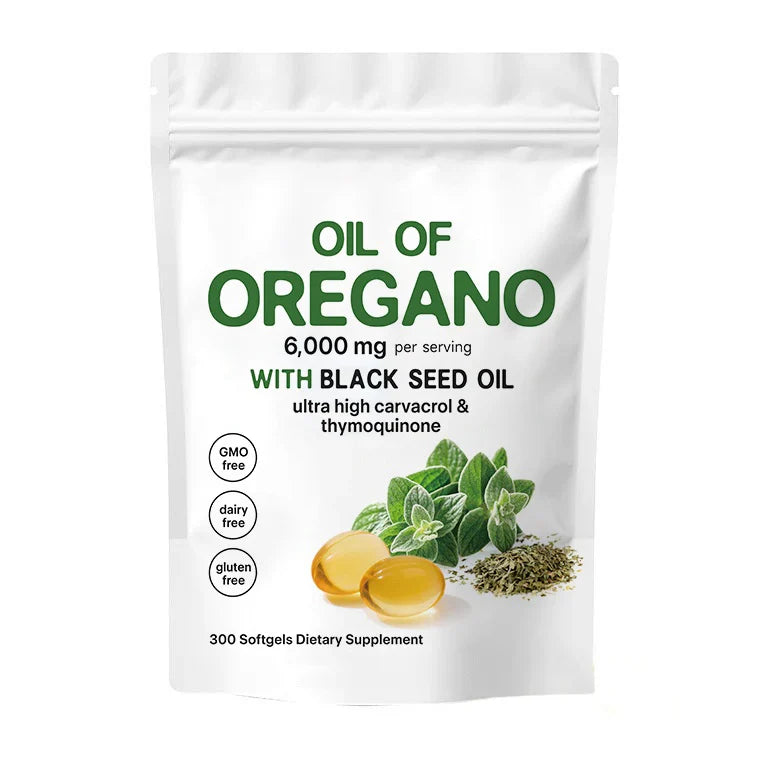
Oil of Oregano Softgels
Sealed softgel format, intestinal delivery, precise dose per capsule. Zero aftertaste.
See the ProductThe Intestinal Delivery Advantage
Beyond solving the tolerance problem, the softgel format provides a clinical advantage for gut health applications specifically. When carvacrol is released in the small intestine rather than the stomach, it reaches the site most relevant to gut dysbiosis management at a higher effective concentration.
In the stomach, carvacrol encounters an extremely acidic environment (pH 1.5 to 3.5) that can partially degrade phenolic compounds and reduce available concentration. Gastric acids also break down many volatile aromatic compounds before they can travel further down the digestive tract. A softgel that bypasses the stomach delivers a more intact carvacrol profile to the intestinal environment.
The small intestine operates at a pH of approximately 6 to 7.5. At this pH, carvacrol is more stable and more readily absorbed through the intestinal epithelium. For applications targeting intestinal candida, bacterial overgrowth (SIBO), or general gut microbiome dysbiosis, intestinal delivery is clinically superior to stomach delivery.
This is not a minor distinction. The difference between a compound that acts primarily in the stomach (where most pathogens are not living) and one that acts in the intestinal environment (where gut dysbiosis actually occurs) can determine whether a supplement has a meaningful effect on digestive symptoms or not.
The softgel did not change the compound. It changed where the compound does its work, which changed everything about how people experience it.
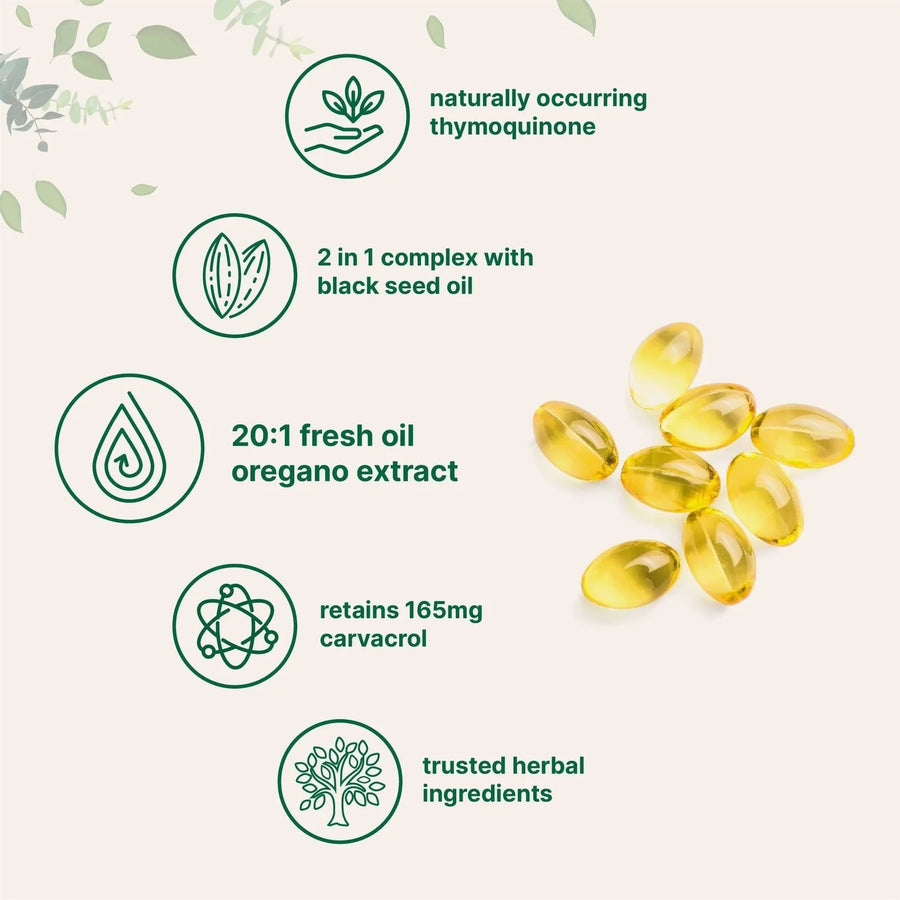
Oil of Oregano Softgels
Sealed softgel, intestinal delivery, zero burning. The oregano oil format designed for daily consistency.
See the ProductCompliance Is the Most Underrated Variable in Supplement Efficacy
A supplement only works if you actually take it. This is obvious, but its implications for format selection are underappreciated. Oil of oregano is a genuinely effective antimicrobial compound with substantial research behind it. But that research is based on consistent, regular administration over meaningful periods, not on intermittent use during the days when you feel particularly motivated to endure an unpleasant experience.
The 4 to 6 week therapeutic cycle recommended for oregano oil requires daily consistency. Missing days within the cycle reduces the sustained antimicrobial pressure that makes the treatment effective, particularly for entrenched gut dysbiosis or recurrent fungal issues where the pathogen population needs steady reduction over time.
Softgels have substantially higher completion rates than liquid drops for this reason. The daily habit requires no willpower. You swallow a capsule with your meal the same way you would take any other supplement. There is nothing to dread, nothing to brace for, nothing to wash out of your mouth afterward. The format removes every behavioral barrier to consistency.
The best oregano oil formula is the one you will actually take every day for four to six weeks. If you have previously tried liquid drops and stopped, this is almost certainly a format issue rather than a carvacrol issue. The softgel format makes the difference between a two-week experiment and a completed therapeutic cycle.
What to Look for in a Quality Oregano Oil Softgel
Not all softgels are equivalent. The quality of the oregano oil inside the capsule depends on the source plant, the extraction method, and the carvacrol concentration in the final product. A quality softgel starts with oil from wild-harvested Origanum vulgare (not the cultivated variety commonly used in culinary applications, which has significantly lower carvacrol content).
The carvacrol concentration should be at minimum 70% of the oil's active profile. This is the threshold most research on antimicrobial efficacy has used, and it is the level at which therapeutic effects are consistently observed. Products that list "oregano oil" without specifying carvacrol percentage are often using lower-grade oils that may fall well below this threshold.
The carrier oil matters too. Olive oil is the traditional and most studied carrier for oregano oil, with favorable absorption characteristics and a compatible flavor profile. Cheaper products may use refined vegetable oils that are less effective as lipophilic carriers and potentially higher in oxidized fats.
Finally, the absence of synthetic fillers, binders, and coatings in the capsule shell is worth checking. Some lower-quality softgels include titanium dioxide, synthetic shellacs, or petroleum-derived coatings. A clean softgel contains the oil, a natural carrier, and a gelatin or vegetarian capsule shell with no unnecessary additions.
When evaluating an oregano oil softgel: check that carvacrol content is specified (minimum 70%), confirm the source is Origanum vulgare (not a generic oregano species), verify the carrier oil (olive oil preferred), and review the capsule shell ingredients for synthetic coatings or fillers. These four checks will distinguish a therapeutic-grade product from a low-grade supplement.
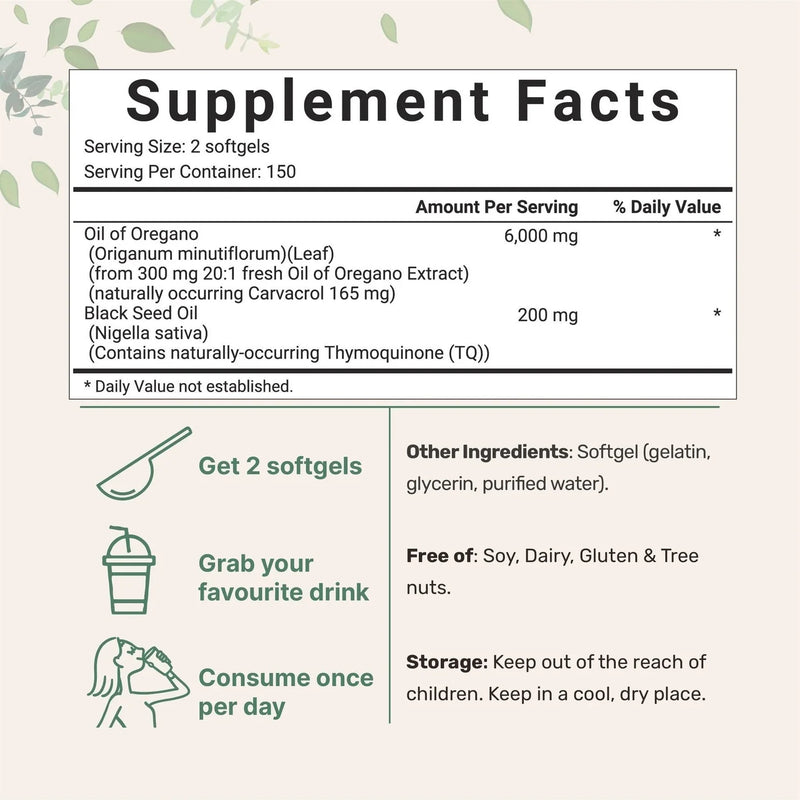
Oil of Oregano Softgels
Same carvacrol science, none of the burning. 1,900+ users who made the switch.
See the Product