

Prime Prometics Color Changing Foundation:
Worth the Price?
A closer look at what Prime Prometics offers, what users consistently report, and whether the formula justifies its price point compared to other adaptive foundations.
Disclosure: Lindalia makes and sells a competing color changing foundation. This review is based on publicly available information, ingredient listings, and aggregated user reviews. We have written it to be useful and fair, not to tear down a competitor.
Prime Prometics is a brand that appears consistently when people search for color changing foundation, and the question most buyers end up asking is whether the price premium over budget alternatives is actually justified. The honest answer requires looking past the marketing claims to what the formula actually contains and what users consistently say over time.
What Prime Prometics Claims
Prime Prometics markets itself as a professional-grade adaptive foundation with proprietary color-matching technology. The brand positions the product as a higher-end option in the color changing category and prices it accordingly, typically in the $25-40 range depending on the retailer.
The marketing language emphasizes shade adaptability, skin-smoothing effects, and a finish that works across skin tones. These are the standard claims in the category. What matters is how the formula performs against them.
Prime Prometics has limited independently verified ingredient transparency. The brand does not appear to publish detailed formulation information, and the specific pigment system used (thermochromic vs. pH-responsive) is not disclosed clearly. User reviews are the most reliable source of performance information, and we have weighted those heavily in this assessment.
What Users Consistently Report
Looking across verified purchase reviews on major retail platforms, several themes appear consistently enough to be reliable signal.
Positive patterns: Users with light to medium skin tones frequently describe a color shift that produces a flattering match. The formula finish is described as natural and skin-like by many reviewers. Application ease is commonly praised. The product is packaged in a way that looks and feels premium, which matters to buyers who purchase based partly on experience.
Neutral patterns: Coverage is consistently described as light to light-medium. Users who want medium to full coverage describe needing multiple layers, with diminishing returns. This is consistent with the category more broadly but worth noting for expectation management.
Negative patterns: Reviews mentioning orange shift during the day appear with notable frequency. Cool-toned users report significantly worse results than warm-toned users. Several long-term users mention the formula changed between batches without announcement, producing inconsistent results. This batch consistency issue is a real concern for repeat buyers.
What works
- Flattering for light to medium warm tones
- Skin-like, natural finish
- Easy application
- Premium packaging feel
What does not
- Orange shift reported by multiple users
- Poor results for cool/neutral tones
- Inconsistent batch performance
- No disclosed skincare actives
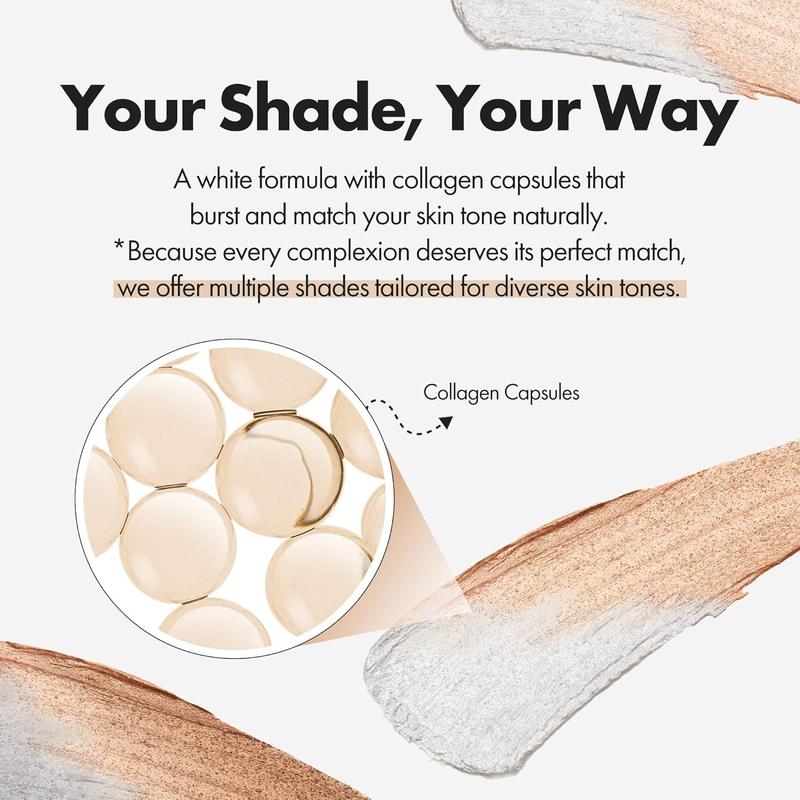
pH-Adaptive with Disclosed Technology
Genuine pH-responsive encapsulated pigments, niacinamide and collagen included, stick format with integrated brush. Transparent about what the technology actually is.
See the ProductIs the Price Justified?
For users with light to medium warm skin tones who connect with the formula's aesthetic, the answer may be yes. The formula does produce a natural, skin-like result for the people it works for, and the packaging experience is premium in a way that lower-priced options are not.
For users with cool, neutral, or medium-deep to deep skin tones, the price premium is harder to justify given the frequency of negative adaptation reports in those categories. The formula appears to have a significant undertone bias that produces warm results regardless of the skin it is applied to, which is useful if you have warm skin and problematic if you do not.
The batch consistency issue is also worth weighing for repeat buyers. If you find a batch that works and then cannot reliably replicate the result with a subsequent purchase, that is a meaningful practical concern regardless of price.
"A premium price is justified when the technology delivers what it promises across a broad range of users. When it works well for some and poorly for others in a predictable, undertone-correlated pattern, the premium is harder to defend."
What to Look for Instead
If you are looking at Prime Prometics and the limitations above are relevant to your situation, the criteria to use when evaluating alternatives are:
Disclosed pigment technology. A brand that will tell you whether their pigments are thermochromic or pH-responsive is being more transparent about what you are actually buying. pH-responsive is the more individualized technology.
Consistent formulation across batches. This is hard to verify before buying, but it shows up in long-term user reviews. Look for reviewers who mention repurchasing and describe consistent results across multiple purchases.
Skincare actives in the formula. Niacinamide and collagen in the formulation do meaningful work alongside the color function. A formula at a similar price point that includes these without an orange shift or undertone bias is delivering more value per dollar.

Formulated to Work Across Undertones
pH-responsive pigments that adapt to your individual skin chemistry, not just a warm tonal shift. Plus niacinamide, collagen, and a format that requires no additional tools.
See the ProductThe Bottom Line on Prime Prometics
Prime Prometics is not a bad product. For the skin tones and undertones it works best with, it produces results people are happy enough with to write positive reviews. The finish is genuinely skin-like and easy to achieve. The packaging is good.
It is a product that works well for some people and poorly for others in a way that appears related to undertone, and it does not disclose enough about its formula to let buyers evaluate this risk in advance. For the price point, that opacity is a legitimate concern.
If you have warm light-to-medium skin and want a natural-finish formula and the other limitations are not relevant to you, it may be worth a try. If you have cool undertones, if you experienced orange shift with products in a similar category before, or if formulation transparency matters to you, there are alternatives that give you more information and more consistent results across a wider range of skin tones.

If You Want to Know What You Are Buying
Transparent about the pigment technology, transparent about the ingredients, built to work across undertone categories. A genuine alternative worth considering.
See the Product