

Therapeutica Orthopedic Sleeping Pillow: Full Review and Comparison
The Therapeutica has been around for decades and has a loyal following in physiotherapy clinics. Here's what makes it distinctive, where it struggles, and how it compares.
The Therapeutica Orthopedic Sleeping Pillow has been sold through physiotherapy clinics and specialty health retailers for several decades. It has a distinctive wedge-and-contour shape that looks unlike most pillows on the market and was designed with explicit clinical input. That history and clinical pedigree deserve genuine assessment rather than either dismissal or uncritical acceptance. Here's what the Therapeutica does well, where it has real limitations, and what it compares to when you're choosing for the long term.
What Makes the Therapeutica Distinctive
The Therapeutica's most notable design feature is its wedge-based construction. Rather than building support through foam density alone, the pillow uses a shaped wedge body that positions the torso and head simultaneously, with an integrated cervical roll and a hollow for the back of the skull when back sleeping. This approach to support through shape rather than material resistance is fundamentally sound: the structural geometry does the positional work before the foam material needs to.
The sizing system is another genuine differentiator. Therapeutica is sold in multiple sizes (Petite, Small, Average, Large, X-Large) based on the buyer's shoulder width, measured specifically to determine the correct loft for the lateral sleeping surfaces. This is the right approach: shoulder width is the primary determinant of correct side-sleeping loft, and sizing a pillow to this measurement is more accurate than asking buyers to intuitively select a height. Many orthopedic pillow brands don't size their products at all, leaving buyers to guess.
The clinical environment in which Therapeutica is typically sold (through physiotherapy clinics and healthcare retailers) means that buyers often receive guidance from a clinician at the point of purchase. This increases the likelihood that they're selecting the correct size and using the pillow in the intended orientation. Products sold through direct-to-consumer channels without clinical guidance often see users misusing them in ways that reduce their effectiveness.
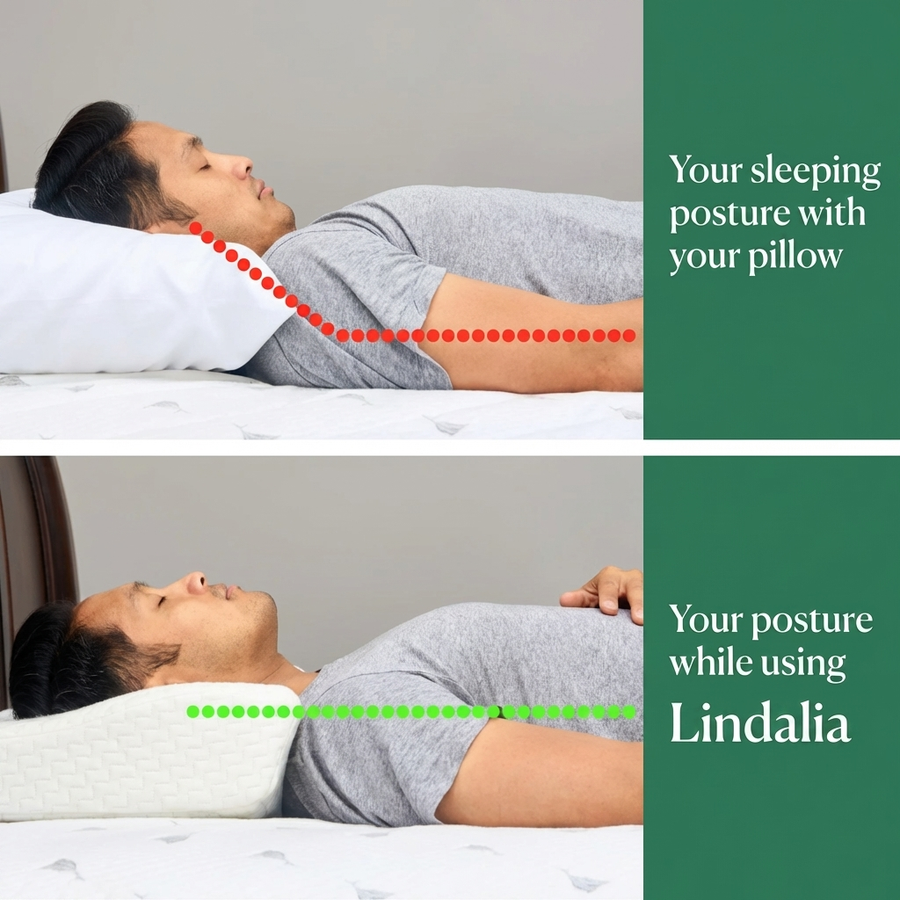
Cervical Orthopedic Pillow
The clinical-grade support concept of the Therapeutica in a more accessible, versatile design. Dynamic foam, dual-height contour, free shipping.
See the ProductWhere the Therapeutica Has Limitations
The Therapeutica's most significant practical limitation is its rigidity of form. The wedge shape that provides its structural support also means the pillow works best in very specific sleeping positions. Back sleeping and lateral sleeping in the prescribed orientation are well-supported. Combination sleepers who move significantly through the night, stomach sleepers (who shouldn't be on the Therapeutica at all), and people who naturally tend toward non-standard positions often find the Therapeutica disruptive rather than helpful, because every deviation from the prescribed position feels off rather than just unsupported.
The material in the Therapeutica is a firm polyurethane foam rather than memory foam. This provides consistent resistance and good shape retention, but it doesn't adapt to individual anatomical variations the way memory foam does. Two people with the same shoulder width but different cervical curve depths or different skull shapes will both get the same support geometry from the same-size Therapeutica, but they may not both be ideally served by it. Memory foam's adaptive compression provides an additional layer of individual customization that polyurethane can't match.
The Therapeutica is also notably larger and less portable than most contoured pillows. It's designed to be used in a fixed orientation at home. Traveling with it is awkward, and using it in any context other than your own bed in the prescribed position is difficult. For people who frequently sleep in different environments (hotels, partner's home, travel) the Therapeutica's positional specificity becomes a genuine inconvenience.
The Therapeutica is genuinely well-suited for: people who have been specifically sized for it by a physiotherapist, people who sleep predominantly in one position (back or side) rather than moving significantly through the night, and people who don't travel frequently. The clinical sizing process is its primary advantage over self-selected alternatives. Without that sizing step, much of its advantage disappears.
Therapeutica vs Contoured Dynamic Memory Foam: Direct Comparison
The key differences between the Therapeutica and a quality contoured dynamic memory foam pillow come down to three variables: adaptability, versatility, and price-to-access.
On adaptability: memory foam adapts to individual anatomical variation in ways polyurethane cannot. Two people with the same shoulder width get the same Therapeutica but get slightly different support from a memory foam contour, because the foam molds to their specific head and neck geometry. For people whose anatomy is well-served by the Therapeutica's standard sizing, this difference may be minor. For those at the edges of a size category or with unusual cervical curve depths, it can be significant.
On versatility: a dual-height contoured memory foam pillow works well for combination sleepers and requires less positional discipline during sleep. The Therapeutica's structural rigidity is its strength in the correct position and its weakness outside it. If you sleep mostly in one position throughout the night, this is less relevant. If you naturally shift between positions, the memory foam contour accommodates that movement more gracefully.
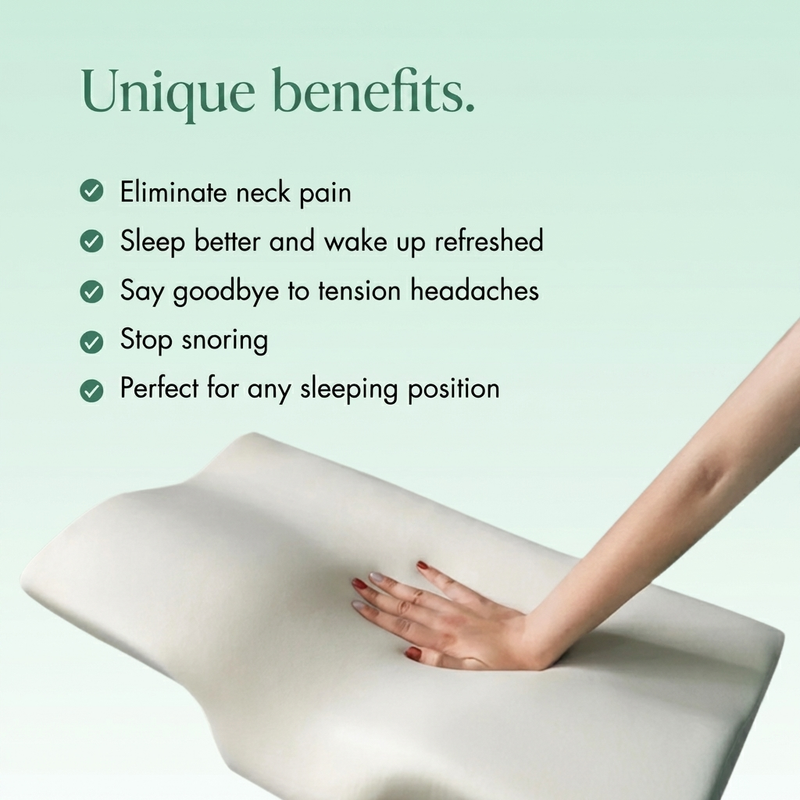
Contoured Support Without Positional Commitment
A dual-height contour that works whether you're on your back or your side, without requiring precise positioning throughout the night.
See the ProductPrice and Accessibility
The Therapeutica is typically priced at the premium end of the orthopedic pillow market, and it's primarily sold through clinical channels rather than direct-to-consumer retail. This means that buying one usually involves visiting a physiotherapy clinic or a specialty health retailer, being measured, and paying a premium price through a healthcare distribution channel. For people already engaged with physiotherapy treatment, this is a natural purchase point. For people trying to address cervical issues independently, the channel friction is meaningful.
A quality contoured dynamic memory foam pillow in the same clinical performance category is accessible through direct-to-consumer channels at mid-range prices with free shipping, satisfaction guarantees, and return policies that physio clinic purchases typically don't offer. The accessibility difference matters particularly for people who are self-managing their cervical issues rather than doing so under physiotherapy supervision.
The practical verdict: the Therapeutica is a genuine clinical-grade product that serves its intended clinical use case well. If you've been sized for one by a physiotherapist and you're a position-consistent sleeper, it's a legitimate choice. If you're self-selecting, are a combination sleeper, or want more adaptability and better access, a quality contoured dynamic memory foam pillow addresses the same orthopedic need with more flexibility at a more accessible price point.
The Therapeutica's strongest selling point is the clinical sizing process, not the pillow itself. The sizing ensures you're getting the right loft for your shoulder width, which is the most important variable in cervical pillow selection. If you replicate that sizing process yourself (measuring your shoulder-to-ear gap while lying on your mattress) and apply it to a quality contoured memory foam pillow, you capture the Therapeutica's core advantage without the positional rigidity or premium clinical price.
The best clinical pillow is only clinical if it's correctly sized. Do the sizing yourself, and the material and design question becomes the primary one.

Cervical Orthopedic Pillow
Size yourself at home using your shoulder-to-ear measurement. Choose the right loft. Get the clinical outcome without the clinical channel. Free shipping.
See the Product