

TLM Color Changing Foundation:
Honest Review and Better Alternatives
TLM was one of the first mainstream names in adaptive foundation. Here is what it actually does, where it leaves you wanting more, and what to consider instead.
Disclosure: Lindalia sells a competing product in the color changing foundation category. We have tried to write this review as objectively as possible, but you should factor that context into how you read it. Where possible, we have noted what TLM does well and who it suits best.
TLM Flawless Color Changing Foundation has been one of the most searched names in the adaptive foundation category for several years. It is widely available, affordable, and has a loyal user base. It is also a product that many buyers describe in their second purchase reviews as "fine, but I eventually moved on." Understanding what that means requires a closer look at what the product actually does.
What TLM Is and What It Claims
TLM Flawless Color Changing Foundation is a liquid foundation sold primarily through online marketplaces, typically priced in the $10-20 range depending on the seller and region. It markets itself as a color-adapting formula that matches any skin tone. It comes in one or a small number of starting shades and is presented as a universal or near-universal solution.
The formula is a liquid emulsion with a relatively thin consistency. It applies with fingers or a brush and blends fairly easily on the skin. The color shift is visible during application, shifting from the product's pale base toward a warmer, slightly deeper shade on skin contact.
Based on available ingredient information and user reports, TLM's color shift appears to be primarily thermochromic rather than pH-responsive. This means the formula changes with body heat rather than individual skin chemistry. Everyone's face is approximately the same temperature, so the shift is similar across users rather than genuinely personalized. This explains why TLM works better for some skin tones than others in a fairly predictable range.
What TLM Does Well
Starting with the positives, because they are real and they matter for the right user.
Accessibility and price. At $10-20, TLM removes the financial risk from trying adaptive foundation for the first time. If you are skeptical of the category and not ready to commit to a more expensive option, TLM is a reasonable way to see if the concept works for you before investing more.
Light, buildable coverage. The thin consistency applies easily and sheer, which is genuinely useful for daily makeup wearers who want a light, skin-like coverage rather than full coverage. The formula does not feel heavy or cakey on the skin.
Easy blending. The liquid consistency means it spreads easily with a sponge or fingers, and blending time is forgiving. This makes it a relatively beginner-friendly option.
Works well for light to light-medium skin tones with warm undertones. The thermochromic shift in TLM appears to produce the most consistent and flattering results in this range. Users with light to light-medium warm skin frequently report good results.
Where TLM Falls Short
These limitations are consistent across user reports and are worth knowing about before buying.
Limited adaptation range. Because the shift is primarily thermochromic, the color change is essentially the same for everyone. This means TLM produces good results for the skin tones that happen to fall within the thermochromic shift range and poor results for those outside it. Medium-deep, deep, cool-toned, and neutral-toned users frequently report the formula turning orange, ashy, or not adapting at all.
Oxidation during wear. Multiple user reports describe TLM shifting darker or more orange during the day. This suggests the formula uses iron oxide pigments that are not fully protected by encapsulation, allowing ongoing oxidation after initial application.
No skincare actives. TLM does not appear to contain meaningful concentrations of niacinamide, collagen, or other skincare actives. It is a color-adapting base without the secondary benefit of functional skincare ingredients.
Liquid format without integrated application tool. The product requires a separate brush or sponge, which adds cost, cleaning time, and travel inconvenience compared to a stick format with an integrated brush.

pH-Adaptive Pigments, Not Just Thermochromic
Individual skin chemistry adaptation, niacinamide, collagen, stick format with integrated brush. For when you are ready to move up from the entry-level option.
See the ProductA Closer Look at the Ingredient List
TLM's ingredient list varies somewhat by the specific seller and version, which is itself a point worth noting: the formula does not appear to have a single standardized version, and different resellers carry what may be different batches or formulations under the same name. This makes consistent quality assessment difficult.
The ingredients typically listed include standard cosmetic bases (water, silicones, emollients), iron oxide pigments, and various stabilizers and preservatives. The specific pigment system responsible for the color shift is generally not disclosed in detail by the brand, which makes it difficult to independently verify whether genuine pH-responsive encapsulation is being used.
The absence of niacinamide, collagen, or similar skincare actives is consistent across versions. TLM is a makeup product without a skincare component, which is a straightforward design choice rather than a flaw, but it is worth noting if skincare benefit in your foundation matters to you.
"TLM introduced a lot of people to the idea that foundation could adapt to your skin. For some, it delivers on that idea. For others, it is the starting point that eventually leads them to look for something more precise."
Who TLM Is Right For
TLM makes most sense for someone who is new to color changing foundation, has a light to medium warm skin tone, wants a very affordable first try at the category, and is comfortable with a liquid format that requires a separate application tool.
If you match those criteria, TLM is a reasonable starting point. Many users genuinely like it, particularly those whose skin falls within the formula's most effective range. The review volume is significant and many positive reviews are credible.
Who Should Look Elsewhere
If you have a medium-deep or deep skin tone, cool undertones, or neutral undertones that do not fit cleanly into a warm category, TLM's thermochromic shift is less likely to produce a flattering result. The orange and ashy complaints in reviews are disproportionately from users in these categories.
If you want skincare actives in your foundation, TLM does not offer them. And if a stick format with integrated brush is important for your routine (no extra tools, travel-friendly, controlled application), TLM's liquid format does not accommodate that.

What pH-Adaptive Technology Actually Looks Like
Genuine skin chemistry adaptation, not just temperature. Niacinamide, collagen, and a stick format with integrated brush.
See the ProductHow the Lindalia Foundation Stacks Up
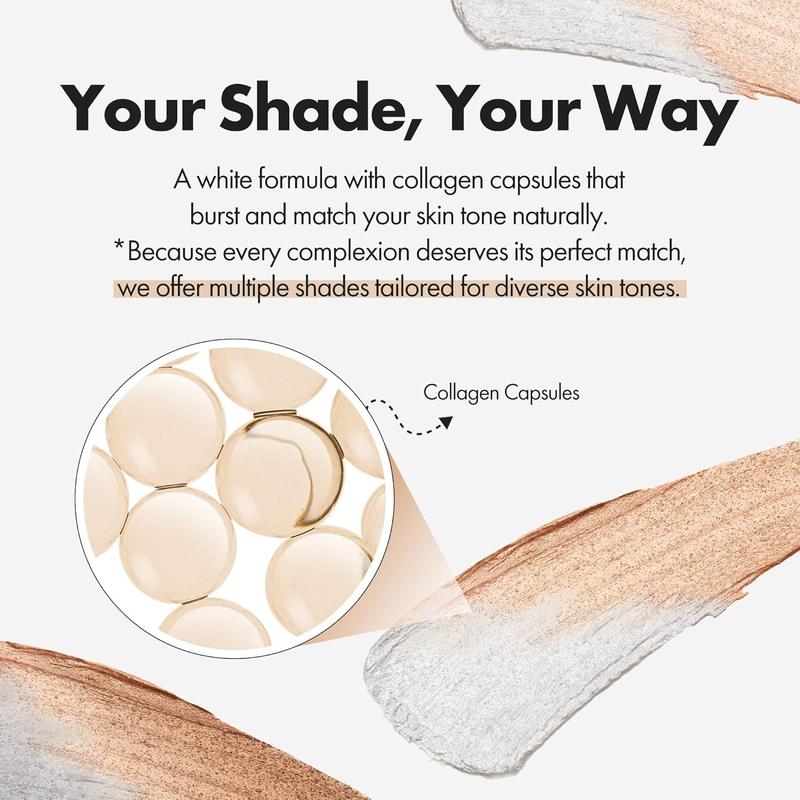
For full transparency, here is a direct comparison. The Lindalia Color-Changing Foundation Stick uses pH-responsive microencapsulated pigments rather than thermochromic dyes. The adaptation responds to individual skin chemistry, not just the heat everyone's face shares equally.
It also includes niacinamide and collagen in the formula (for skincare benefit alongside color function), uses a stick format with an integrated brush (no additional tools needed), and is available in five flexible shade ranges rather than a single "universal" starting shade.
It costs more than TLM. That is a real difference and worth acknowledging. Whether the additional investment is worth it depends on whether the specific limitations of TLM are limitations you have personally encountered. If TLM is working for you, there is no compelling reason to change. If you have experienced the orange shift, the limited undertone range, or the lack of skincare benefit and want something that addresses those specifically, the Lindalia formula is worth a look.
Beyond the Entry Level
For when you have tried TLM and want a formula that takes both the technology and the skincare seriously.
See the Product